
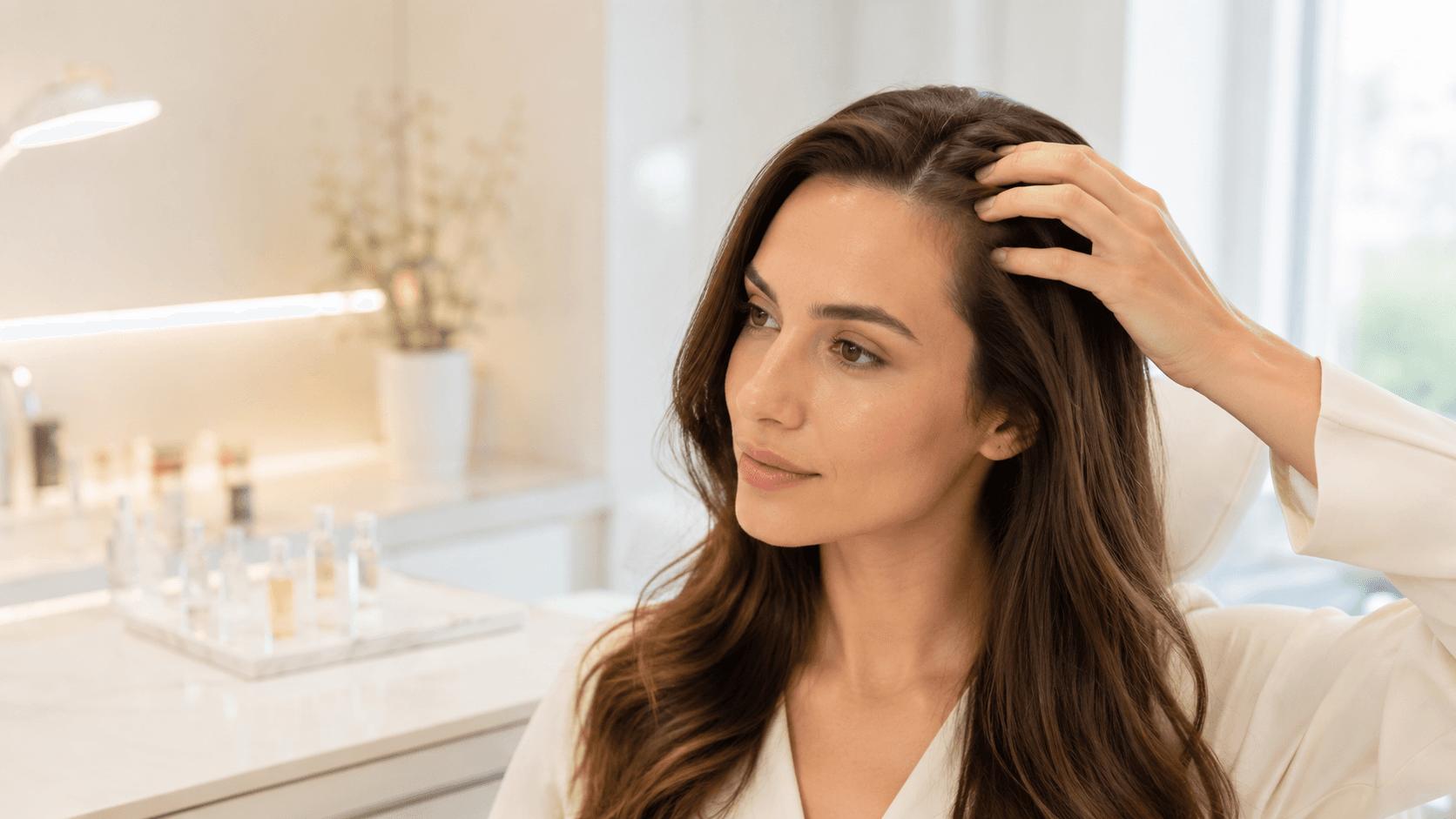
Hair Mesotherapy London: A Scientific Guide to Hair Restoration Treatment
Hair mesotherapy is a minimally invasive treatment. Doctors inject active nutrients directly into your scalp. These microinjections target hair follicles and improve scalp health.
Hair mesotherapy London offers a proven non-surgical path to thicker, healthier hair. This guide explains the science, the process, and the results you can expect from leading hair restoration clinics in London.
What Is Hair Mesotherapy?
Hair mesotherapy is a minimally invasive treatment. Doctors inject active nutrients directly into your scalp. These microinjections target hair follicles and improve scalp health.
What Is the Definition of Hair Mesotherapy?
Hair mesotherapy is a medical technique. A trained specialist delivers vitamins, minerals, amino acids, and other active compounds into the mesoderm of the scalp. The mesoderm is the middle layer of skin. This direct delivery bypasses the digestive system. It gives hair follicles immediate access to the nutrients they need. The treatment started in France in the 1950s. Doctors first used it for vascular and pain conditions. Over time, dermatologists adapted it for hair loss. Today, hair mesotherapy stands as a key option in non-surgical hair restoration.
What Is the Science Behind Mesotherapy?
The science relies on direct delivery. Oral supplements lose potency as they pass through the digestive tract. Mesotherapy places nutrients exactly where they matter. This increases local bioavailability. It lowers systemic exposure. Researchers note that this method reduces adverse effects while boosting follicle stimulation (Aledani et al. 2024). The scalp absorbs the cocktail quickly. Blood vessels dilate. Cells receive more oxygen. This triggers a cascade of healing responses.
How Do Microinjections Deliver Active Ingredients to Hair Follicles?
Microinjections use very fine needles. A doctor or trichologist places small amounts of solution at precise depths. The typical depth ranges from 2 to 4 millimeters. This places the solution near the hair bulb. The hair bulb sits in the dermis. Direct placement means follicles drink in nutrients immediately. No time is lost. No potency is wasted.
How Does Mesoderm Stimulation Trigger Hair Growth?
The mesoderm contains blood vessels, nerves, and connective tissue. Stimulating this layer improves microcirculation. Better blood flow brings more nutrients and oxygen. It also removes waste. Active ingredients like peptides signal dermal papilla cells. These cells control hair cycling. When they receive the right signals, they push follicles from the resting phase into the growth phase. This is the core mechanism behind hair regrowth treatment.
How Has Mesotherapy Evolved Over Time?
Dr. Michel Pistor developed mesotherapy in France in 1952. He treated sports injuries and vascular problems. By the 1990s, doctors in Europe began using it for cosmetic concerns. In the early 2000s, trichologists started scalp mesotherapy for androgenetic alopecia. Since then, formulas have improved. Today, clinics use customized cocktails with dutasteride, minoxidil, peptides, and growth factors. Modern hair mesotherapy London clinics use advanced diagnostic tools. They tailor each session to the patient.
How Does Hair Mesotherapy Work?
Hair mesotherapy works through five main pathways. It delivers nutrients, improves blood flow, stimulates cells, supports metabolism, and reduces inflammation.
How Does Direct Nutrient Delivery Help Hair Follicles?
Direct nutrient delivery feeds starving follicles. When you take a vitamin pill, your body distributes it everywhere. Only a small fraction reaches your scalp. Mesotherapy changes this. It puts 100 percent of the dose where it counts. Biotin, zinc, and amino acids reach the follicle base within minutes. This jump-starts keratin production. It also strengthens the hair shaft from the root up.
How Does Hair Mesotherapy Improve Scalp Microcirculation?
Poor blood flow starves follicles. Mesotherapy dilates local blood vessels. This brings more oxygen and nutrients to the scalp. It also flushes away dihydrotestosterone buildup. DHT shrinks follicles in male pattern baldness. Better circulation helps clear this hormone. It creates a healthier environment for hair growth.
How Does Mesotherapy Stimulate Cellular Activity?
Active ingredients like peptides and growth factors wake up dormant cells. They trigger fibroblasts and dermal papilla cells. These cells produce collagen and elastin. They also release signals that extend the anagen phase. The anagen phase is the active growth stage of hair. Longer anagen means longer, thicker hair.
How Does Mesotherapy Support Hair Follicle Metabolism?
Hair follicles are among the most active tissues in the body. They need constant energy. B-complex vitamins act as metabolic cofactors. They help cells convert nutrients into energy. Amino acids provide building blocks for keratin. Minerals like magnesium support enzyme function. Mesotherapy delivers all these directly. This keeps follicle metabolism running at full speed.
How Does Mesotherapy Reduce Inflammation Around Hair Follicles?
Inflammation chokes follicles. It limits blood flow and triggers shedding. Antioxidants in mesotherapy cocktails fight free radicals. They calm irritated tissue. Hyaluronic acid hydrates the scalp. It reduces dryness and flaking. A calm scalp lets follicles grow without interference.
How Does Mesotherapy Create an Optimal Scalp Environment?
All these effects combine. Better circulation, reduced inflammation, direct nutrition, and cellular stimulation create the perfect setting for hair. The scalp becomes fertile ground. Existing hair thickens. New hair sprouts. The entire ecosystem of the scalp improves.
Which Ingredients Are Commonly Used in Hair Mesotherapy?
Clinics use a range of ingredients. Each plays a specific role in hair rejuvenation.
Which Vitamins Do Doctors Use in Scalp Mesotherapy?
Biotin and B-complex vitamins dominate most formulas. Biotin supports keratin infrastructure. Vitamin B5 strengthens hair shafts. Vitamin B6 regulates sebum. Other vitamins like C and E act as antioxidants. They protect follicles from oxidative stress.
Which Amino Acids Support Hair Growth?
Amino acids are the building blocks of protein. Hair is mostly keratin. Cysteine and methionine are key. They form disulfide bonds. These bonds give hair its strength and elasticity. Mesotherapy delivers these amino acids straight to the root. This supports hair strengthening treatment at the source.
Which Minerals Matter Most for Hair Follicles?
Zinc, copper, and magnesium top the list. Zinc regulates hormone levels. It also supports cell division. Copper helps form collagen and elastin. It aids in pigment production too. Magnesium supports protein synthesis. It prevents calcium buildup on the scalp. Each mineral plays a unique role in hair density improvement.
How Does Hyaluronic Acid Help the Scalp?
Hyaluronic acid holds water. It keeps the scalp hydrated. A dry scalp becomes itchy and inflamed. Inflammation leads to shedding. Hyaluronic acid prevents this. It also creates a plump, healthy environment around follicles. This supports better nutrient exchange.
What Role Do Peptides and Growth Factors Play?
Peptides are short chains of amino acids. They act as signaling molecules. Copper peptides stimulate blood vessel growth. They also activate hair follicle stem cells. Growth factors like vascular endothelial growth factor (VEGF) and platelet-derived growth factor (PDGF) promote new tissue formation. They extend the growth phase. They thicken existing strands.
How Do Antioxidants Protect Hair Follicles?
Antioxidants neutralize free radicals. Free radicals damage cell membranes. They speed up aging. Vitamins C and E, along with plant extracts like Ginkgo biloba, fight this damage. They keep follicle cells young and active. This is key for long-term scalp rejuvenation.
What Are Customised Mesotherapy Cocktails?
No two scalps are identical. Leading hair loss specialist London clinics create custom blends. A trichologist assesses your scalp. They check hormone levels, nutrient status, and hair density. Then they mix a cocktail for your needs. One patient may need more zinc. Another may need dutasteride. Customization improves results.
What Hair Conditions Can Hair Mesotherapy Treat?
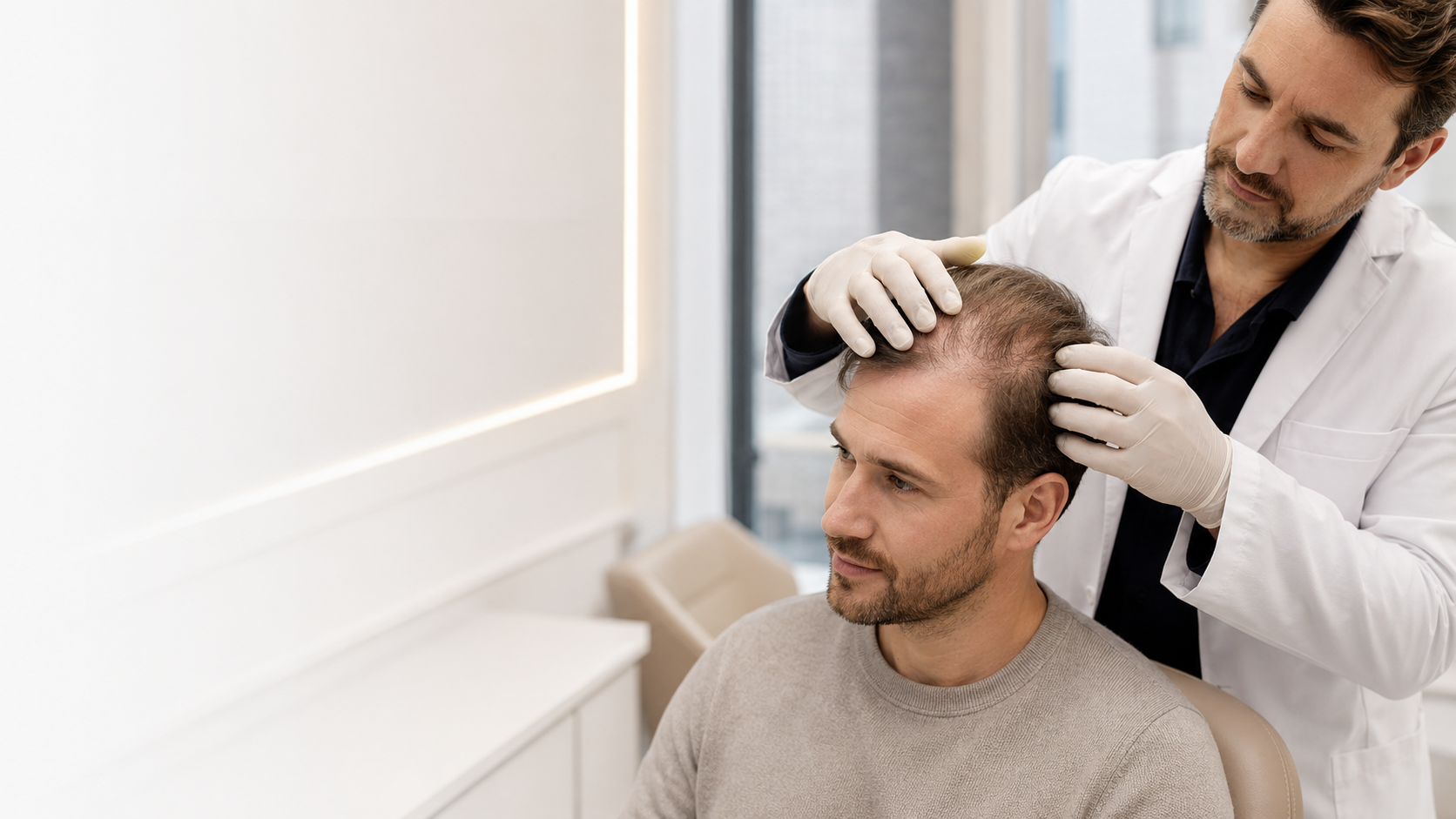
Mesotherapy treats many types of hair loss. It also improves overall scalp health.
Can Hair Mesotherapy Treat Androgenetic Alopecia?
Yes. Androgenetic alopecia is the most common cause of hair loss. It affects both men and women. DHT shrinks follicles over time. Mesotherapy with dutasteride blocks this hormone locally. Studies show marked improvement in 38.4 percent of patients after one year (Saceda-Corralo 2022). This makes it a powerful tool for hair regrowth treatment.
Can It Help Female Pattern Hair Loss?
Yes. Women with diffuse thinning respond well. Mesotherapy delivers antiandrogens and nutrients without systemic side effects. A 2013 study on 126 women found that 62.8 percent of dutasteride mesotherapy patients improved. Only 17.5 percent of the control group saw similar gains (Moftah 2013). This shows real promise for female patients.
Can It Address Male Pattern Baldness?
Yes. Men with receding hairlines or crown thinning benefit greatly. Direct delivery of minoxidil or dutasteride targets the affected zones. A 2009 pilot study showed increased hair density in 92.9 percent of men treated with dutasteride mesotherapy (Abdallah 2009). Results appear even in advanced cases when combined with other therapies.
Can Mesotherapy Treat Telogen Effluvium?
Yes. Telogen effluvium causes sudden shedding. Stress, illness, or nutrition gaps trigger it. Mesotherapy delivers collagen, amino acids, and B vitamins directly. These nutrients push follicles back into the growth phase. Research shows that targeted nutritional support raises anagen ratios and lowers telogen counts (Trüeb 2022). Mesotherapy offers a direct route for this support.
Can It Help Diffuse Hair Thinning?
Yes. Diffuse thinning means hair becomes weaker all over. It lacks a clear pattern. Nutrient-rich mesotherapy strengthens every follicle. It improves hair quality from root to tip. Patients notice thicker ponytails and less scalp visibility.
Can It Reduce Stress-Related Hair Loss?
Yes. Stress pushes follicles into the resting phase. Mesotherapy interrupts this signal. It delivers calming nutrients and improves blood flow. A healthier scalp resists stress better. Regular sessions maintain this balance.
Can It Fix Nutritional Hair Loss?
Yes. Low iron, zinc, or protein causes shedding. Oral supplements help but work slowly. Mesotherapy speeds recovery. It bypasses the gut. It places nutrients exactly where deficiency hurts most. This makes it ideal for rapid intervention.
Does It Improve General Scalp Health?
Yes. Even patients without major hair loss benefit. Mesotherapy clears dandruff. It reduces oiliness. It hydrates dry patches. A healthy scalp grows better hair. Think of it as fertilizer for your skin.
Can It Help Seborrheic Scalp Conditions?
Yes. Seborrheic dermatitis causes inflammation and flaking. This blocks follicles. Anti-inflammatory ingredients in mesotherapy calm the skin. Zinc reduces yeast overgrowth. Hyaluronic acid restores moisture balance. Over time, the scalp clears and hair grows freely.
Who Is an Ideal Candidate for Hair Mesotherapy London?
Many people qualify. The best candidates have early to moderate hair loss.
Are Early Hair Loss Patients Good Candidates?
Yes. Early intervention works best. When follicles are still alive, they respond fast. Mesotherapy revives them before permanent damage sets in. If you notice widening part lines or slight recession, act now.
Can Men and Women with Thinning Hair Benefit?
Yes. Both genders see results. Men with crown thinning and women with diffuse shedding are ideal. The treatment adapts to each gender's unique hormone profile. Custom cocktails address these differences.
Is It Right for People Seeking Non-Surgical Hair Restoration?
Yes. Surgery is not for everyone. Some patients fear scars. Others cannot afford downtime. Mesotherapy needs no incisions. It leaves no scars. You return to work the same day. This makes it a top choice for non-surgical hair restoration.
Can Patients Use It to Improve Hair Quality?
Yes. Some patients have enough hair but want better texture. Mesotherapy adds shine. It reduces breakage. It thickens individual strands. This is popular among patients who color or heat-style their hair often.
Can Patients Combine Mesotherapy with Other Treatments?
Yes. In fact, combination therapy often works best. You can add PRP, LLLT, or minoxidil. Each treatment attacks hair loss from a different angle. Together, they create a comprehensive plan.
Who May Not Be Suitable for Hair Mesotherapy?
Some people should avoid this treatment. Safety comes first.
Should Pregnant or Breastfeeding Women Avoid It?
Yes. Doctors do not recommend mesotherapy during pregnancy or breastfeeding. The safety of injectable ingredients has not been established for these groups. Wait until after nursing.
Can Patients with Active Scalp Infections Have It?
No. Infections like folliculitis or ringworm must clear first. Injecting through infected skin spreads bacteria. It also worsens inflammation. Treat the infection. Then start mesotherapy.
Do Autoimmune Disorders Affect Eligibility?
Sometimes. Patients with lupus or alopecia areata need careful evaluation. Their immune systems attack follicles. Mesotherapy may help but requires specialist oversight. Always tell your doctor about autoimmune conditions.
Are Bleeding Disorders a Problem?
Yes. Patients on blood thinners or with clotting disorders bruise easily. They may bleed at injection sites. Your doctor will review your medications. They may adjust your plan for safety.
Can Allergies to Injectable Ingredients Prevent Treatment?
Yes. If you are allergic to any cocktail component, you cannot receive it. Reputable clinics perform patch tests. They review ingredient lists carefully. Always disclose known allergies.
What Happens During a Hair Mesotherapy Session?
Knowing what to expect reduces anxiety. The process is simple and quick.
What Happens at the Initial Consultation?
You meet with a hair loss specialist. They review your medical history. They ask about family hair loss, diet, stress, and medications. They set realistic goals. They explain the treatment plan. This visit builds trust and clarity.
How Do Doctors Assess Hair and Scalp Health?
Doctors use trichoscopy. This is a magnified camera scan of your scalp. It shows hair density, shaft thickness, and scalp condition. Some clinics use ultrasound biomicroscopy. This reveals deeper follicle health. These tools guide your custom plan.
How Do Clinics Create Personalised Treatment Plans?
Your doctor selects ingredients based on your assessment. They choose needle depth and injection spacing. They set your session schedule. No two plans are identical. Personalization drives better outcomes.
How Do Specialists Prepare the Scalp?
The team cleans your scalp with antiseptic. They may apply numbing cream. This takes 20 to 30 minutes. The cream reduces discomfort during injections. Some patients skip numbing. The needles are very fine.
What Injection Technique Do Doctors Use?
Doctors use the nappage technique or point-to-point method. Nappage involves tiny injections across the scalp. Point-to-point places solution at specific sites. Depth ranges from 2 to 4 millimeters. Angle ranges from 30 to 60 degrees. Each injection delivers about 0.05 milliliters.
How Long Does a Session Last?
A typical session lasts 20 to 40 minutes. This includes prep time. The injections themselves take 10 to 20 minutes. You can schedule sessions during lunch breaks.
How Do Clinics Manage Comfort and Pain?
Most patients feel mild pinching. Numbing cream helps. Some clinics use cooling devices. Others offer stress balls or music. Pain is brief and tolerable. It fades within minutes.
How Many Hair Mesotherapy Sessions Are Needed?
Consistency matters. Hair grows in cycles. You need multiple sessions to catch follicles at the right time.
What Is the Initial Treatment Protocol?
Most clinics recommend weekly or biweekly sessions for the first month. Then they space sessions to fortnightly or monthly. A typical starter course includes 8 to 12 sessions. This covers several hair growth cycles.
How Often Are Maintenance Sessions Needed?
After the initial course, maintenance begins. Most patients return every 2 to 3 months. Some need monthly touch-ups. Others stretch to 6 months. Your doctor tracks your progress. They adjust timing based on results.
How Do Individualised Treatment Plans Vary?
Younger patients with early loss may need fewer sessions. Older patients with advanced thinning need more. Women with hormonal shedding may need ongoing support. Men with genetic loss benefit from long-term plans. Your response guides every decision.
What Factors Affect Treatment Frequency?
Age, genetics, diet, stress, and hormone levels all play roles. Smokers may need more sessions. Patients with poor diets see slower results. Your doctor considers all these factors. They tailor frequency to your life.
When Can Patients Expect Results?
Patience is key. Hair grows slowly. Mesotherapy works beneath the surface first.
What Are the Early Improvements?
Most patients notice less shedding within 4 to 6 weeks. The scalp feels healthier. Itchiness and flaking reduce. These early signs show the treatment is working.
When Does Hair Shedding Reduce?
Shedding drops noticeably by week 8. Fewer hairs fall during washing. The drain clogs less. This is often the first visible win. It builds confidence to continue.
When Does Hair Thickening Begin?
Thickening starts around week 12. Individual strands feel stronger. The ponytail feels fuller. Photos show less scalp visibility. Trichoscopy confirms these changes objectively.
When Do Long-Term Hair Density Improvements Appear?
Major density gains show at 6 to 12 months. New baby hairs appear at the hairline. The crown fills in. These hairs mature over time. Full results need patience and consistency.
What Factors Influence Outcomes?
Genetics set the baseline. Younger patients respond faster. Good nutrition speeds results. Stress slows them. Smoking reduces blood flow. Following aftercare advice matters. Combining treatments boosts success.
What Are the Benefits of Hair Mesotherapy?
The benefits extend beyond new hair. They touch every aspect of scalp and strand health.
Is It a Minimally Invasive Procedure?
Yes. There are no cuts. There are no stitches. Needles are tiny. The skin heals within hours. This is one of the safest aesthetic procedures available.
Does It Require Minimal Downtime?
Yes. You can return to work immediately. Some redness lasts 1 to 2 hours. Mild swelling fades quickly. No bandages are needed. It fits busy lifestyles.
Can It Improve Hair Density?
Yes. Studies show measurable increases in hair count. Mesotherapy with dutasteride improved density in 92.9 percent of men in one trial (Abdallah 2009). Custom cocktails yield similar results for women.
Does It Strengthen Hair Shafts?
Yes. Nutrients fortify the cortex of each hair. This reduces breakage. Hair withstands brushing and styling better. It looks and feels healthier.
Does It Create a Healthier Scalp?
Yes. Hydration, reduced inflammation, and better circulation transform the scalp. It becomes less oily or dry. Dandruff clears. The entire environment supports growth.
Does It Enhance Hair Texture?
Yes. Patients report silkier, shinier hair. The cuticle lays flatter. Light reflects better. Hair looks vibrant and youthful.
Are the Results Natural-Looking?
Yes. Mesotherapy enhances your own hair. It does not transplant foreign follicles. It does not create artificial patterns. Your hair grows naturally. No one can tell you had treatment.
What Are the Possible Side Effects and Risks?
All procedures carry some risk. Mesotherapy risks are mild and rare.
Is Temporary Redness Common?
Yes. Redness appears at injection sites. It looks like mild sunburn. It fades within 1 to 2 hours. It shows the skin is responding.
Can Mild Swelling Occur?
Yes. Some patients notice slight puffiness. This resolves within a few hours. Cold compresses speed relief. It is harmless.
Is Bruising Possible?
Yes. Bruising is uncommon. It affects patients with sensitive skin or blood thinners. It clears within a week. Makeup or hair styling covers it easily.
Can Tenderness Last After Treatment?
Yes. The scalp may feel tender for a day. This feels like mild soreness after exercise. It does not limit activity. Over-the-counter pain relief helps if needed.
Are Allergic Reactions a Concern?
Rarely. Patch tests prevent most reactions. If an allergy occurs, doctors treat it immediately. Symptoms include itching or rash. They resolve with antihistamines.
How Do Clinics Prevent Infection?
Clinics use sterile needles and antiseptic solutions. They follow strict protocols. Patients avoid touching the scalp for hours after treatment. Infection is extremely rare when proper hygiene is maintained.
Is It Safe When Performed by Qualified Medical Professionals?
Yes. Safety depends on the provider. Choose a GMC-registered doctor or certified trichologist. They understand anatomy. They use sterile techniques. They manage complications. Never trust unqualified practitioners.
Hair Mesotherapy vs PRP Therapy
Both treatments use injections. They differ in content and mechanism.
How Do the Mechanisms Differ?
Mesotherapy delivers external nutrients and drugs. PRP uses your own blood. Doctors draw blood. They spin it to isolate platelets. Then they inject this concentrate. PRP releases growth factors from within. Mesotherapy adds them from outside.
Which Ingredients Does Each Treatment Use?
Mesotherapy uses vitamins, minerals, peptides, and sometimes dutasteride or minoxidil. PRP uses autologous platelets. These platelets contain VEGF, PDGF, and transforming growth factor. Both lists overlap in function but differ in source.
What Does the Scientific Evidence Show?
PRP has stronger evidence for some conditions. A 2022 review found PRP increased hair density and thickness significantly (English 2022). Mesotherapy evidence is growing. A 2024 systematic review found mesotherapy showed excellent statistical significance and high patient satisfaction (Aledani 2024). Both work. PRP has more large trials. Mesotherapy offers more customization.
What Are the Treatment Goals?
PRP regenerates tissue. It heals damaged follicles. Mesotherapy nourishes and stimulates. It feeds follicles and blocks DHT. PRP is more regenerative. Mesotherapy is more nutritional and hormonal.
Which Treatment Has Shorter Recovery?
Both have minimal downtime. Redness lasts a few hours for each. Neither needs bandages. You can resume normal life the same day.
Which Patients Benefit Most from Each?
Patients with nutritional gaps thrive on mesotherapy. Those with damaged follicles prefer PRP. Men with DHT sensitivity need mesotherapy with antiandrogens. Women with autoimmune triggers may prefer PRP.
Can PRP and Mesotherapy Be Combined?
Yes. Many hair restoration clinic London providers offer both. They alternate sessions. PRP heals. Mesotherapy feeds. Together, they create a powerful synergy. Combination plans often yield the best outcomes.
Hair Mesotherapy vs Exosome Therapy
Exosome therapy is newer. It represents the cutting edge of regenerative medicine.
What Are the Biological Differences?
Mesotherapy delivers nutrients and drugs. Exosome therapy delivers cell-derived vesicles. These vesicles carry genetic signals. They communicate directly with follicle cells. They reprogram cell behavior. This is deeper than simple nutrition.
Which Has Greater Regenerative Potential?
Exosomes may have the edge. They stimulate dermal papilla cells. They activate hair follicle stem cells. They promote angiogenesis. A 2024 study showed foreskin-derived exosomes increased hair density significantly at 12 weeks (Ersan 2024). Another study showed placental exosomes raised density from 96.5 to 163.5 hairs per square centimeter (Dehghani 2024). These results are impressive.
What Are the Clinical Applications?
Mesotherapy treats established hair loss. It works for androgenetic alopecia, telogen effluvium, and thinning. Exosomes target similar conditions but cost more. They appeal to patients seeking the latest technology.
How Do Patients Choose Between Them?
Mesotherapy is proven and affordable. Exosomes are promising but newer. Patients on a budget choose mesotherapy. Early adopters choose exosomes. Many clinics now combine both for maximum effect.
Hair Mesotherapy vs Microneedling
Microneedling uses needles without injections. It creates tiny wounds. These wounds trigger healing.
What Are the Similarities?
Both treatments use needles. Both stimulate the scalp. Both improve blood flow. Both trigger collagen production. Both are minimally invasive. Both suit patients who avoid surgery.
What Are the Key Differences?
Mesotherapy injects solution. Microneedling does not. Mesotherapy feeds follicles directly. Microneedling relies on the body's own healing response. Mesotherapy targets specific deficiencies. Microneedling boosts general scalp health.
Can Combining Them Improve Results?
Yes. Microneedling creates channels. These channels help mesotherapy solutions penetrate deeper. A 2019 study combined microneedling with mesotherapy. Results improved hair parameters across the board (Gajjar 2019). Many clinics now offer this duo.
Can Hair Mesotherapy Be Combined with Other Hair Loss Treatments?
Yes. Combination therapy is the gold standard. It attacks hair loss from every angle.
Can You Combine It with PRP Therapy?
Yes. Alternate mesotherapy and PRP sessions. This keeps the scalp in a constant state of renewal. PRP heals. Mesotherapy nourishes. Patients see faster, fuller results.
Can You Add Low-Level Laser Therapy?
Yes. LLLT uses red light to stimulate follicles. A 2025 meta-analysis confirmed LLLT significantly increases hair density in androgenetic alopecia (Perez 2025). Use LLLT at home between mesotherapy sessions. The light boosts cellular energy. Mesotherapy adds nutrients. They complement each other perfectly.
Can You Use Topical Minoxidil?
Yes. Mesotherapy often includes injectable minoxidil. You can also use topical minoxidil at home. One study found intradermal minoxidil effective for female pattern hair loss (Uzel 2021). Combining routes may enhance results. Always follow your doctor's advice.
Can Oral Hair Loss Medications Help?
Yes. Men often take finasteride or dutasteride orally. Women may use spironolactone. These pills work systemically. Mesotherapy works locally. Together, they block DHT everywhere. This dual approach protects more follicles.
Does Nutritional Support Matter?
Yes. Supplements with collagen, zinc, and B vitamins support mesotherapy. A 2022 study showed that hydrolyzed collagen and amino acids improved anagen-telogen ratios (Trüeb 2022). Eat protein-rich foods. Stay hydrated. Good nutrition amplifies clinical results.
Can Mesotherapy Help After Hair Transplant Surgery?
Yes. Mesotherapy supports transplanted grafts. It improves blood flow to new follicles. It reduces shock loss. It speeds healing. Most surgeons recommend starting 4 to 6 weeks after surgery. Regular sessions maintain native hair. This protects your investment.
Is Hair Mesotherapy Painful?
Most patients tolerate it well. Pain is mild and brief.
How Big Are the Needles?
Needles are very fine. They range from 30 to 32 gauge. This is thinner than an acupuncture needle. The small size reduces discomfort significantly.
What Pain Management Options Exist?
Numbing cream is the standard option. It sits on the scalp for 20 to 30 minutes. Some clinics use cold air devices. Others use vibration tools. These distract nerve signals. Most patients need only the cream.
How Comfortable Is the Treatment?
You lie back in a reclined chair. The room is calm. Music plays. The doctor works quickly. Each injection feels like a tiny pinch. The scalp has many nerve endings. Yet the fine needles and numbing make it manageable. Most patients chat during the procedure.
What Should Patients Do Before and After Hair Mesotherapy?
Proper care maximizes results. Follow your clinic's guidelines closely.
How Should Patients Prepare Before Treatment?
Avoid alcohol for 24 hours. Alcohol thins blood. It increases bruising. Wash your hair the morning of treatment. Come with a clean scalp. Do not apply styling products. Tell your doctor about all medications.
What Immediate Aftercare Is Needed?
Do not touch your scalp for 4 hours. This prevents infection. Avoid hats or tight headbands for a day. Let the skin breathe. Redness fades quickly.
Which Activities Should Patients Avoid?
Skip heavy exercise for 24 hours. Sweat irritates injection sites. Avoid saunas and steam rooms. Heat increases swelling. Do not swim in pools. Chlorine stings fresh micro-injections.
When Can Patients Wash Their Hair?
Most clinics allow washing after 4 to 6 hours. Use gentle shampoo. Do not scrub vigorously. Pat the scalp dry. Avoid hot water. Lukewarm is best.
How Should Patients Manage Sun Exposure?
Wear a loose hat if you go outside. Avoid direct sun for 24 hours. UV rays irritate sensitive skin. After the first day, use normal protection.
When Can Patients Resume Exercise?
Light walking is fine immediately. Wait 24 hours for intense workouts. Yoga and stretching are okay. Listen to your body. If the scalp feels tender, rest another day.
How Long Do Hair Mesotherapy Results Last?
Results are not permanent without maintenance. Hair loss is ongoing. You must support your follicles.
What Maintenance Does Mesotherapy Require?
Most patients need touch-up sessions every 2 to 3 months. Some stretch to 6 months. Your doctor monitors your progress. They adjust the schedule. Think of it like dental cleanings. Regular care prevents problems.
How Do Lifestyle Factors Affect Longevity?
Smoking reduces blood flow. It shortens results. Poor diet starves follicles. Stress triggers shedding. Sleep supports repair. Patients who live well enjoy longer-lasting outcomes.
What Ongoing Hair Care Helps?
Use gentle shampoos. Avoid harsh chemicals. Limit heat styling. Protect hair from sun. Eat protein and vegetables. Stay hydrated. These habits support mesotherapy gains.
Why Must Patients Treat Underlying Hair Loss Causes?
Mesotherapy helps but does not cure genetic loss. If you stop treatment, DHT returns. Nutrient gaps reopen. The underlying cause continues. You must manage it long-term. This may mean oral medications, diet changes, or stress management. Treat the root. Maintain the results.
Why Choose Hair Mesotherapy London?
London offers world-class care. Patients access top specialists and technology.
Do London Clinics Have Experienced Hair Restoration Specialists?
Yes. London hosts leading trichologists and dermatologists. Many train at top medical schools. They publish research. They speak at conferences. You receive care from true experts.
Do Clinics Use Advanced Diagnostic Technology?
Yes. Digital trichoscopy, ultrasound biomicroscopy, and AI analysis guide treatment. These tools reveal hidden scalp issues. They track progress objectively. Technology improves precision.
Do Providers Offer Personalised Treatment Protocols?
Yes. Reputable clinics reject one-size-fits-all approaches. They test your scalp. They review your history. They create custom cocktails. They adjust plans as you improve.
Is Multidisciplinary Hair Loss Management Available?
Yes. Top clinics combine dermatology, endocrinology, and nutrition. They address hormones, diet, and scalp health together. This holistic approach yields better outcomes.
Do London Clinics Maintain High Clinical Standards?
Yes. The UK regulates medical aesthetics. GMC-registered doctors oversee treatments. Clinics follow NICE guidelines. They report adverse events. This ensures safety and accountability.
Frequently Asked Questions About Hair Mesotherapy London
Does Hair Mesotherapy Really Work?
Yes. Clinical studies support its efficacy. A 2024 systematic review found mesotherapy showed excellent statistical significance and high patient satisfaction (Aledani 2024). Results vary by patient. Consistency and proper diagnosis matter most.
Is Hair Mesotherapy Better Than PRP?
Not necessarily. Each has strengths. PRP uses your body's own healing factors. Mesotherapy offers customizable nutrients and drugs. Many patients use both. Your doctor will recommend the best fit.
How Many Sessions Will I Need?
Most patients start with 8 to 12 sessions. Maintenance continues every 2 to 3 months. Your doctor sets your exact plan. Early-stage patients may need less. Advanced cases need more.
Is There Any Downtime?
No. You can resume normal activities immediately. Mild redness lasts 1 to 2 hours. Some patients have slight swelling. These fade quickly.
Can Women Have Hair Mesotherapy?
Yes. Women respond very well. Formulas address female pattern hair loss, telogen effluvium, and hormonal thinning. It is safe and effective for women of all ages.
Can Hair Mesotherapy Stop Hair Loss Permanently?
No. It manages hair loss but does not cure genetic causes. You need maintenance sessions. You may also need oral medications. Think of it as ongoing care, not a one-time fix.
How Much Does Hair Mesotherapy Cost in London?
Prices vary. A single session ranges from £150 to £400. Packages reduce the per-session cost. Initial courses of 8 to 12 sessions may cost £1,200 to £3,000. Maintenance sessions cost less. Prices reflect the clinic's expertise and the ingredients used.
Can Hair Mesotherapy Be Combined with Hair Transplant Surgery?
Yes. It supports graft survival. It reduces shock loss. It improves native hair density. Most surgeons recommend starting 4 to 6 weeks after transplant. It protects your overall result.
Conclusion
Hair mesotherapy London offers a powerful, science-backed option for non-surgical hair restoration. It delivers nutrients directly to follicles. It improves scalp health. It stimulates growth. It works for men and women with various hair loss types.
Accurate diagnosis comes first. A qualified trichologist or dermatologist must identify your cause of loss. Then they build a personalized plan. Realistic expectations matter. Hair grows slowly. Results need time. But with consistency, patients see real improvement.
The evidence supports mesotherapy as a valuable tool. Studies show increased density, reduced shedding, and improved scalp condition. When combined with PRP, LLLT, or proper nutrition, results amplify.
Choose a qualified provider. Look for GMC registration. Look for trichology certification. Look for clinics that customize cocktails. Avoid bargain providers who use generic formulas.
Your hair reflects your health. Feed it well. Treat the scalp. Stay consistent. Hair mesotherapy London can help you reclaim thicker, stronger, healthier hair.
References
Abdallah, M. A., et al. "Mesotherapy Using Dutasteride-Containing Solution in Male Pattern Hair Loss: A Controlled Pilot Study." Journal of the Pan Arab League of Dermatologists, vol. 20, 2009, pp. 137-145.
Aledani, Esraa M., et al. "Mesotherapy as a Promising Alternative to Minoxidil for Androgenetic Alopecia: A Systematic Review." Cureus, 2024.
Dehghani, M., et al. "Placenta-Derived Mesenchymal Stem Cell Exosomes for Androgenetic Alopecia." Clinical, Cosmetic and Investigational Dermatology, 2024.
English, Robert S., et al. "Microneedling and Its Use in Hair Loss Disorders: A Systematic Review." Dermatology and Therapy, vol. 12, 2022, pp. 89-99.
Ersan, Ilke, et al. "Effectiveness of Exosome Treatment in Androgenetic Alopecia." Aesthetic Plastic Surgery, 2024.
Gajjar, Prachi C., et al. "Comparative Study between Mesotherapy and Topical 5% Minoxidil by Dermoscopic Evaluation for Androgenic Alopecia in Male: A Randomized Controlled Trial." International Journal of Trichology, vol. 11, 2019, pp. 58-67.
Moftah, N., et al. "Mesotherapy Using Dutasteride-Containing Preparation in Treatment of Female Pattern Hair Loss: Photographic, Morphometric and Ultrastructural Evaluation." Journal of the European Academy of Dermatology and Venereology, vol. 27, 2013, pp. 686-693.
Perez, Sofia M., et al. "Low-Level Laser and LED Therapy in Alopecia: A Systematic Review and Meta-Analysis." Dermatologic Surgery, vol. 51, no. 2, 2025, pp. 179-183.
Saceda-Corralo, David, et al. "Mesotherapy with Dutasteride for Androgenetic Alopecia." Journal of Drugs in Dermatology, vol. 21, no. 7, 2022, pp. 742-747.
Trüeb, Ralph M., et al. "Targeted Nutritional Supplementation for Telogen Effluvium." Clinical, Cosmetic and Investigational Dermatology, 2022.
Uzel, B. P., et al. "Intradermal Injections with 0.5% Minoxidil for the Treatment of Female Androgenetic Alopecia: A Randomized, Placebo-Controlled Trial." Dermatologic Therapy, vol. 34, 2021.